
Water Damage Restoration – Fast Help, 24/7
Burst pipe, flooded basement, or storm damage? Water keeps spreading every minute it sits. WaterDamageGo connects you with local, licensed water damage restoration pros who extract the water, dry your home, and stop mold before it starts.
📞 Call Now - 24/7 Emergency Help: +1 (844) 954-0617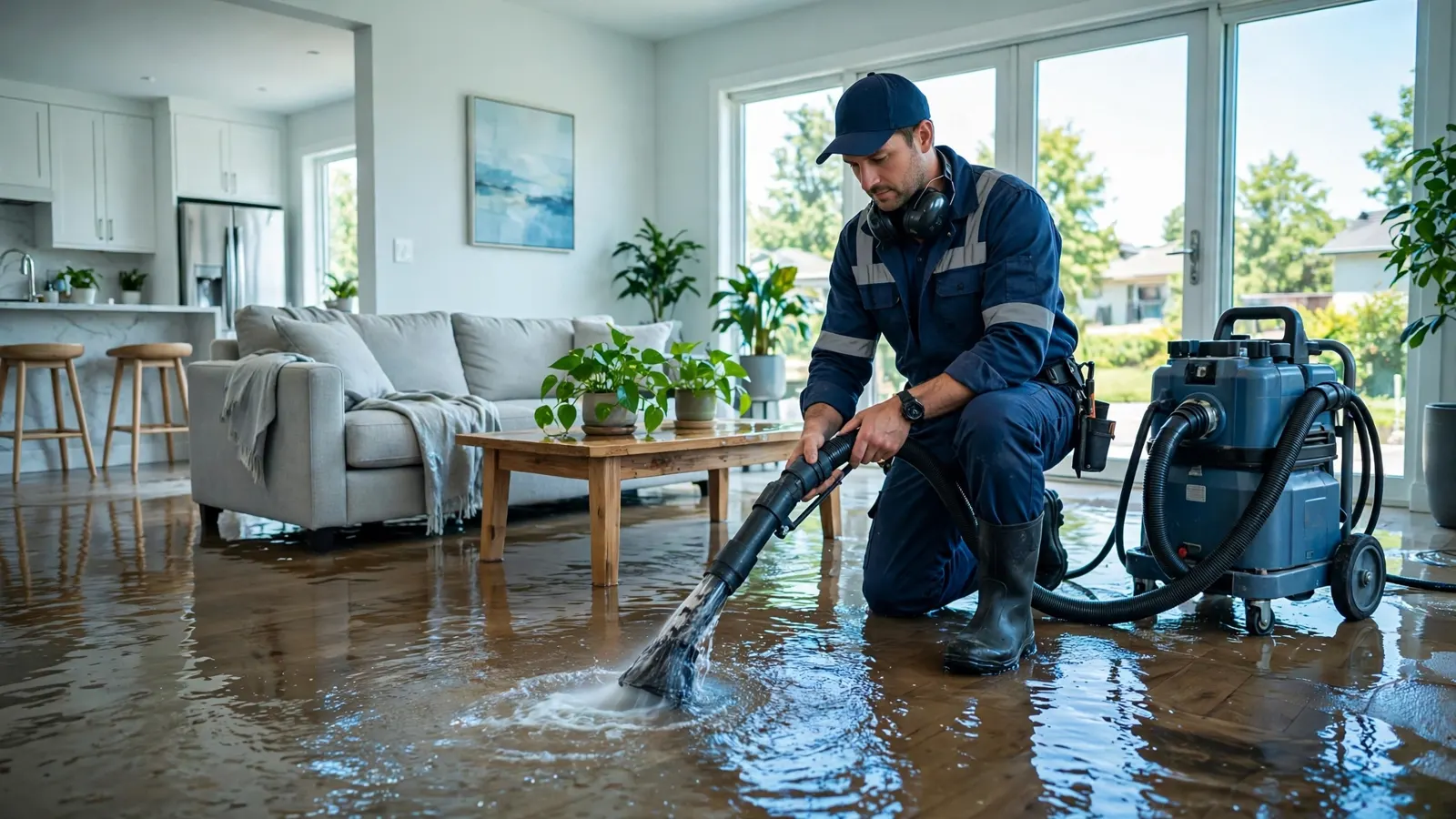
ACT FAST
Found water damage? Do this first
Stop the water, kill the power to wet areas if it is safe, and call a pro the same day. Shut off the main water valve, move valuables off the floor, and take photos for insurance. Water hidden in walls and floors starts growing mold within 24 to 48 hours, so a same-day call keeps the damage – and the bill – much smaller.
THE DAMAGE TIMELINE
Why every hour counts
Water damage is not a problem that stays the same size. It grows on a schedule, and that schedule is why restoration pros treat every call as urgent.
First hours
Water spreads along floors, under baseboards, and into wall cavities. Furniture swells, finishes stain, and wet drywall starts to soften. Extraction in this window saves the most material.
24 to 48 hours
Mold can start growing on wet drywall, wood, and carpet backing. Musty odors appear, and a drying job can turn into a mold remediation job – with a bigger price tag.
After a week
Wood warps, metal corrodes, and soaked structural materials may need replacement instead of drying. What could have been restored in days becomes a renovation project.
The pattern is simple: the same leak can cost a few hundred dollars to dry on day one, or several thousand to repair a week later. Acting in the first hours is the single biggest money-saver in water damage restoration.
WHAT WE DO
Water Damage Services
One call covers the whole job, from emergency extraction to full restoration.
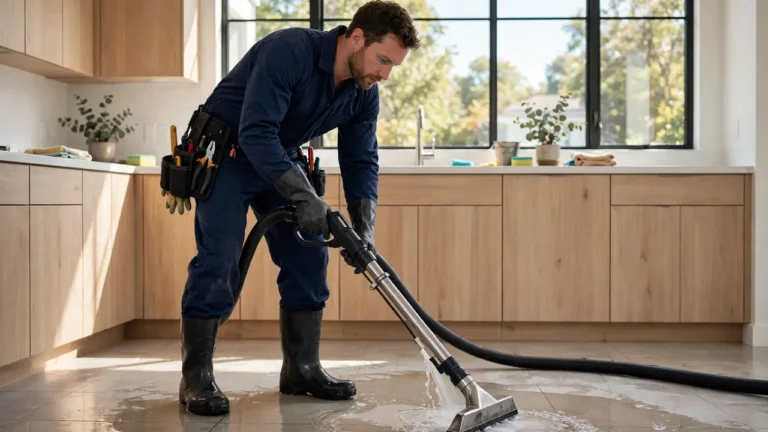
Water Extraction
Pumps and industrial extractors clear standing water in hours, not days – the first step that saves floors and walls.
Learn more →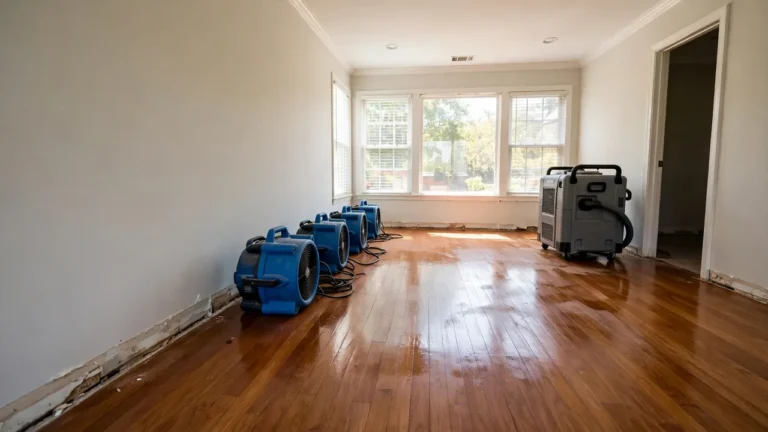
Structural Drying & Dehumidification
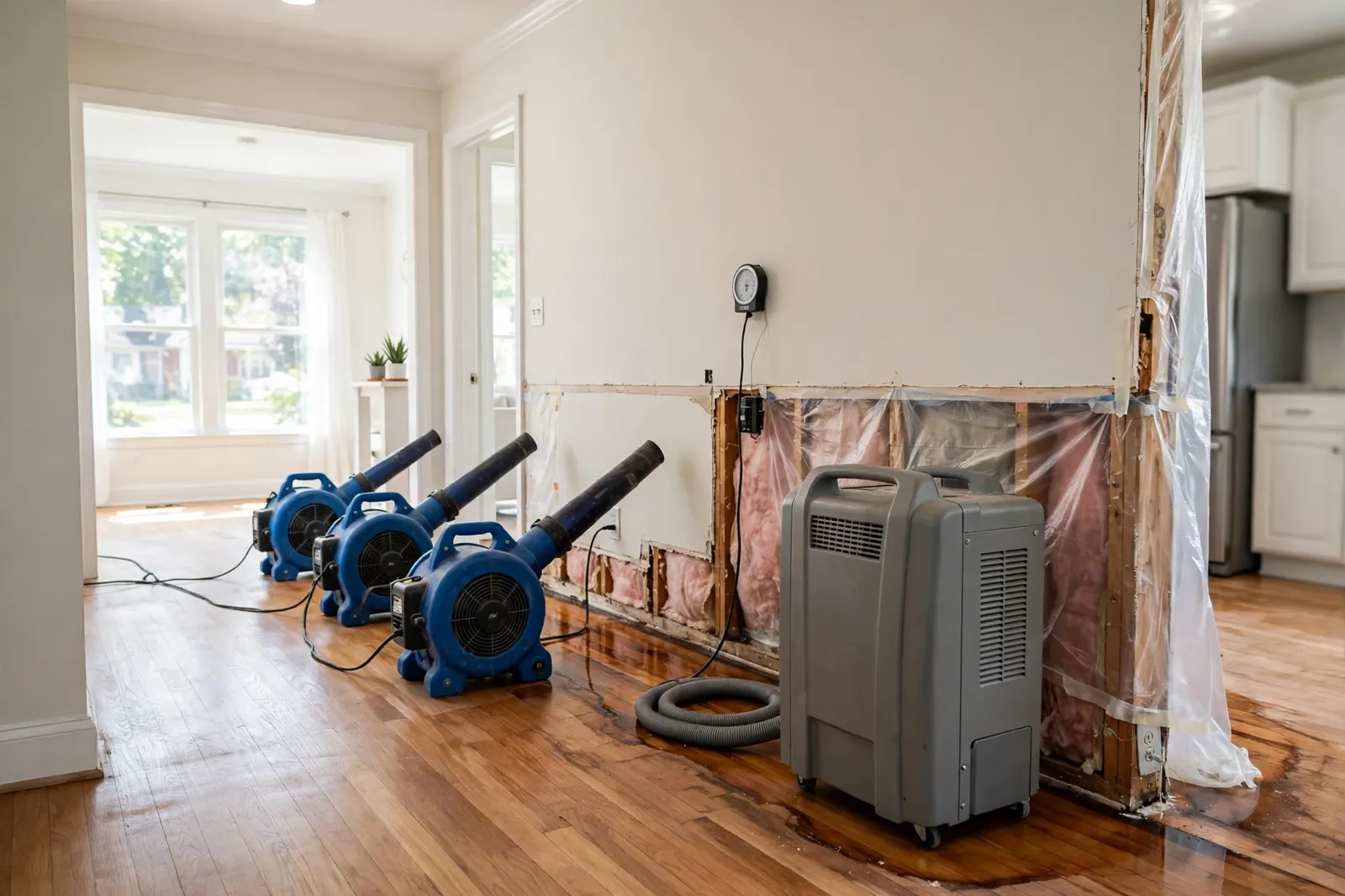
Air movers and commercial dehumidifiers dry inside walls and under floors, verified daily with moisture meters.
Learn more →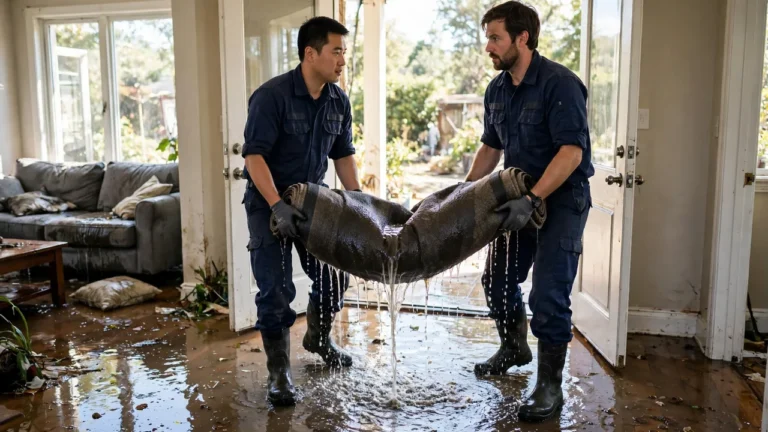
Flood Cleanup
Storm water out, debris gone, every surface sanitized – the full cleanup after flooding, done in the right order.
Learn more →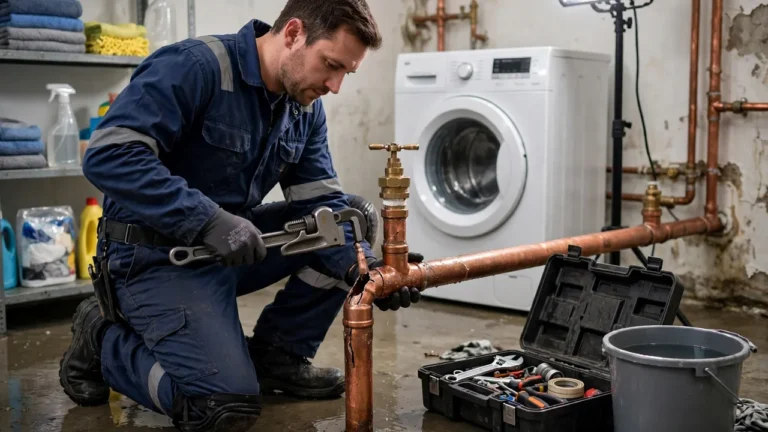
Burst Pipe Water Damage
Hundreds of gallons can escape in hours. Pros dry what you can see – and trace the moisture you cannot.
Learn more →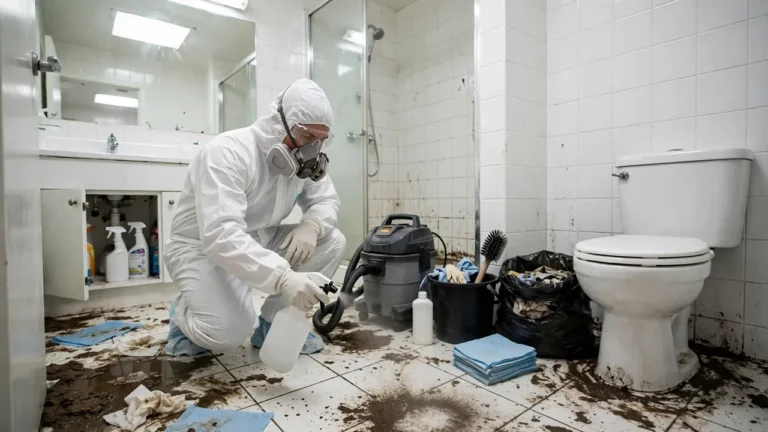
Sewage Cleanup
Black water is a health hazard, not a DIY job. Certified crews remove it, disinfect, and verify the space is safe.
Learn more →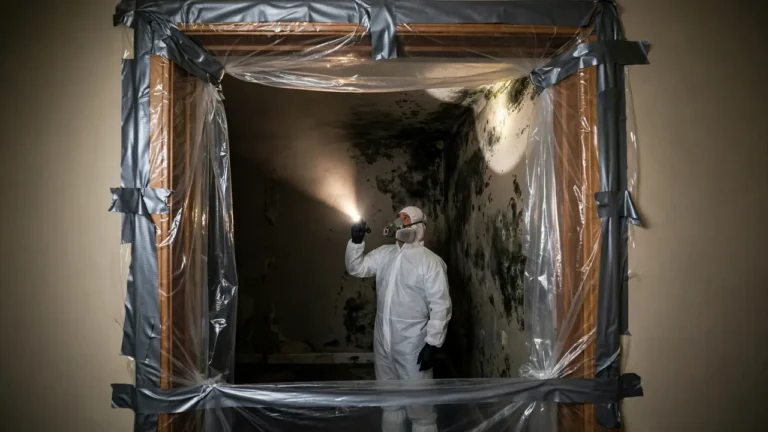
Mold Remediation
Contained, removed, and prevented at the source – mold handled safely before it spreads through your home.
Learn more →WHAT CAUSES IT
Common causes of water damage
Most water damage starts with one of these six problems. Every one of them is a covered service when you call.
Burst & frozen pipes
Cold snaps split pipes, and old pipes fail without warning – often inside walls.
Appliance failures
Water heaters, washing machines, and dishwashers leak or burst, usually when nobody is watching.
Roof leaks & storms
Heavy rain finds every weak shingle and flashing gap, then travels down inside walls.
Flooding & heavy rain
Rising water and overwhelmed drainage push water into basements and ground floors.
Sump pump failure
When the pump quits during a storm, the basement fills quietly from below.
Sewage backups
Blocked lines push contaminated water back through drains and toilets – a health hazard, not just a mess.
OUR PROCESS
How it works
1. Call now
One call, day or night. Tell us what happened and where you are, and we connect you with a local restoration pro.
2. Inspection & extraction
The pro inspects the damage, finds hidden moisture with meters, and starts extracting water right away.
3. Drying & restoration
Industrial air movers and dehumidifiers dry the structure, then damaged materials are repaired or replaced – with documentation for your insurance claim.
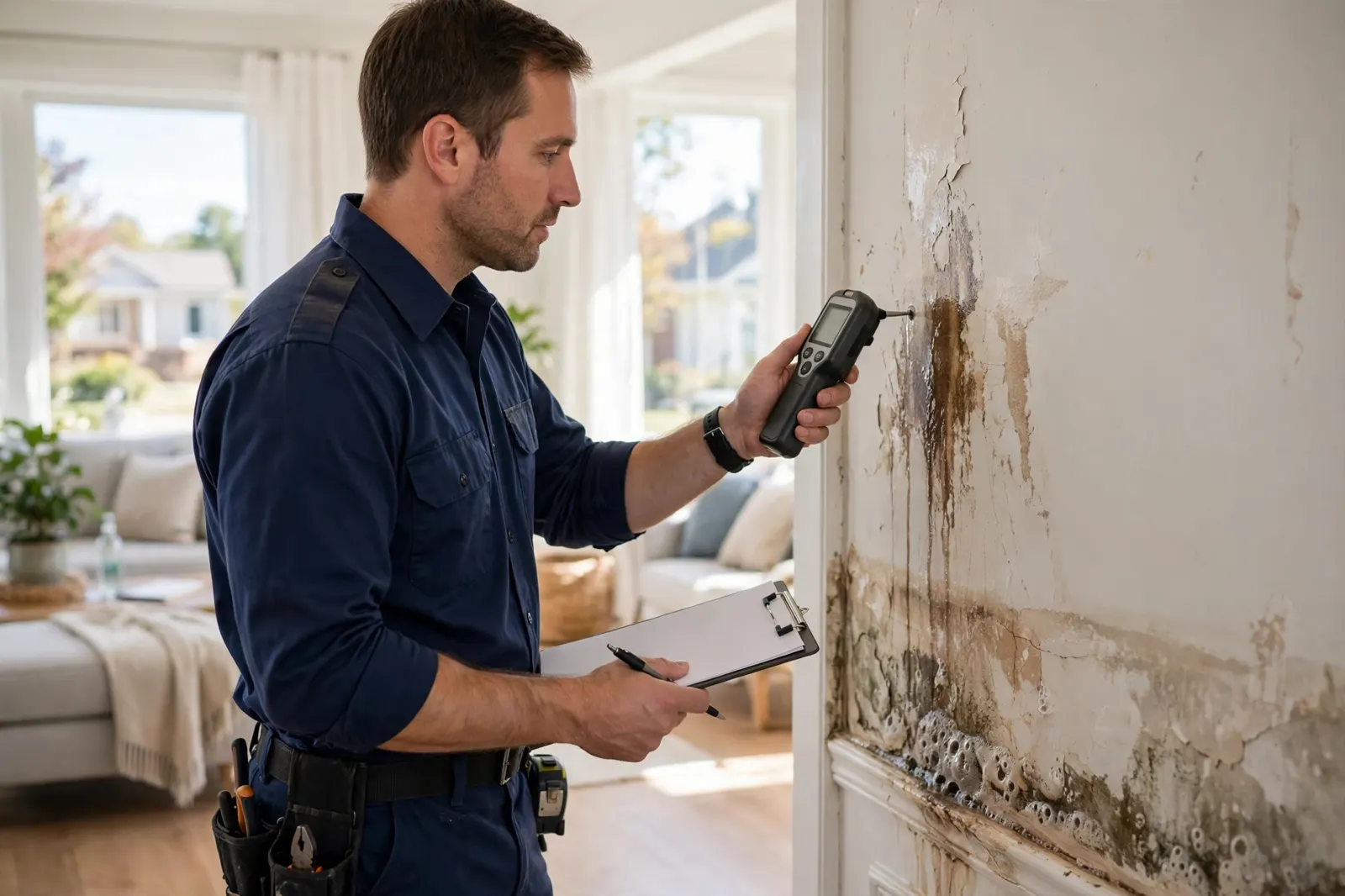
Why not just use fans? Household fans dry surfaces. They do not dry the inside of walls, the underside of flooring, or wet insulation – and those hidden pockets are exactly where mold grows. Pros map moisture with meters, open only what must be opened, and verify dryness with readings before equipment leaves. That proof also matters for your insurance claim: documented moisture readings show the job was done right.
COST GUIDE
What does water damage restoration cost?
Most jobs fall between $1,200 and $8,000, with an average around $3,000 to $4,000. The price depends on four things – and catching the damage early is the one you control.
| Cost factor | Why it matters |
|---|---|
| Size of the affected area | More wet rooms and materials mean more extraction, drying time, and repairs. |
| Type of water | Clean water is cheapest. Dirty water and sewage need sanitizing and protective work. |
| How long the water sat | Water found in the first hours costs far less than water that soaked in for days and grew mold. |
| Materials damaged | Hardwood, drywall, and insulation each dry and repair differently – some must be replaced. |
You should always get an on-site estimate before work begins. A good pro explains the scope in plain words, gives you the price drivers up front, and documents everything for your insurance company.
INSURANCE CLAIMS
Insurance claim help
Most homeowners policies cover sudden and accidental water damage – a burst pipe, a failed water heater, an overflowing appliance. The claim goes smoother when the damage is documented properly from the first visit: photos before cleanup, moisture readings, a clear scope of work, and an itemized estimate. Local pros who work with insurers every week know exactly what adjusters ask for, and they can bill many carriers directly. Your job is simple: report the damage to your insurer quickly, keep receipts, and do not throw away damaged items until the adjuster says so.
What your insurer will ask for
- Photos of the damage, taken before cleanup starts
- Moisture readings from the pro's meters
- An itemized estimate and a clear scope of work
- Your policy number and the date you found the damage
- Receipts for any emergency work you paid for
KNOW THE DIFFERENCE
Water damage vs. flood damage – what is the difference?
People use the two terms as if they were the same, but your insurance company does not. Water damage comes from water that starts inside your home: a burst pipe, a leaking water heater, an overflowing washing machine or dishwasher. Standard homeowners policies usually cover it when it is sudden and accidental. Flood damage comes from water outside your home rising and flowing in – heavy rain, overflowing rivers, storm surge. Standard policies almost never cover it; that takes a separate flood policy.
Why does the distinction matter to you today? Because the cleanup starts the same way either way – extract, dry, sanitize – but the paperwork does not. A good restoration pro documents the source of the water clearly from the first visit, which protects your claim whichever type you have. If you are not sure which one you are dealing with, describe exactly where the water came from when you call, and the pro will help you sort it out.
Water damage
- Starts inside your home - pipes, heaters, appliances
- Usually covered when it is sudden and accidental
- No separate policy needed
Flood damage
- Comes from outside water rising and flowing in
- Almost never covered by a standard policy
- Needs a separate flood policy
Why homeowners call WaterDamageGo
One number for the whole job - answered around the clock, worked by local pros.
Answered 24/7
Water damage does not keep office hours, and neither does our line. Call at 2 p.m. or 2 a.m. and you get help, not a voicemail.
Local Pros, Fast
Your call connects you with a restoration pro in your area who knows local homes, water and weather - not a distant call queue.
Licensed & Insured Pros
The pros who handle water extraction, drying and mold work through our network are licensed and insured for the job.
Insurance Paperwork Help
Pros document the damage with photos and moisture readings, so you have what your insurance company asks for.
SERVICE AREAS
Areas we serve
WaterDamageGo connects homeowners with local restoration pros in cities across the USA, and coverage keeps growing. Find your city on our locations page, or just call – if water is standing in your home, we will find you help.
FAQS
Water damage questions, answered
Does homeowners insurance cover water damage restoration?
Most policies cover sudden and accidental water damage, like a burst pipe or a failed water heater. Slow leaks and outside flood water are usually excluded unless you carry flood insurance. A restoration pro documents the damage with photos and moisture readings, which makes your claim much easier.
How long does water damage restoration take?
Drying usually takes 2 to 5 days. Repairs after drying take a few days to a few weeks, depending on how much material was damaged. Starting the same day matters – mold can begin growing within 24 to 48 hours and turns a drying job into a bigger remediation job.
How much does water damage restoration cost?
Most homeowners pay between $1,200 and $8,000, with an average around $3,000 to $4,000. Small clean-water jobs cost less; sewage, large areas, and damage found late cost more. Always get an on-site estimate before anyone starts work.
Can I dry water damage myself, or do I need a pro?
A small spill on a hard floor is fine to handle yourself. Water in walls, under floors, or through a whole room needs a pro – household fans almost never dry hidden cavities, and trapped moisture becomes mold. Pros prove the structure is dry with moisture meters before they leave.
How fast does mold grow after water damage?
Mold can start growing within 24 to 48 hours on wet drywall, wood, and carpet backing. That is why restoration pros treat every call as urgent: extract fast, dry completely, and the mold problem usually never starts.
What should I do first when I find water damage?
Stop the water at the main valve, turn off power to wet areas if it is safe, move valuables off the floor, and take photos for insurance. Then call right away – do not wait until morning, because water keeps spreading the whole time.
Water will not wait. Neither should you.
Every hour of standing water means more damage and a bigger bill. Talk to a local restoration pro now – 24 hours a day, 7 days a week.
📞 Call Now for 24/7 Help: +1 (844) 954-0617